Is a Fruit Pacifier Really Worth It?
Starting solids is one of the most exciting milestones in your baby's first year — and one of the most nerve-wracking. You want your little one to taste real food, but the fear of choking can make every bite feel like a risk. That is why so many Zimbabwean mums are asking about the fruit pacifier (also called a fresh food feeder).
We have used the fruit pacifier sold on ShopZim at home over several weeks, with a range of local fruits and vegetables. In this review, we cover what it is, what we liked, what we didn't, and who it is really for — so you can decide whether it deserves a place in your baby bag.
What Is a Fruit Pacifier?
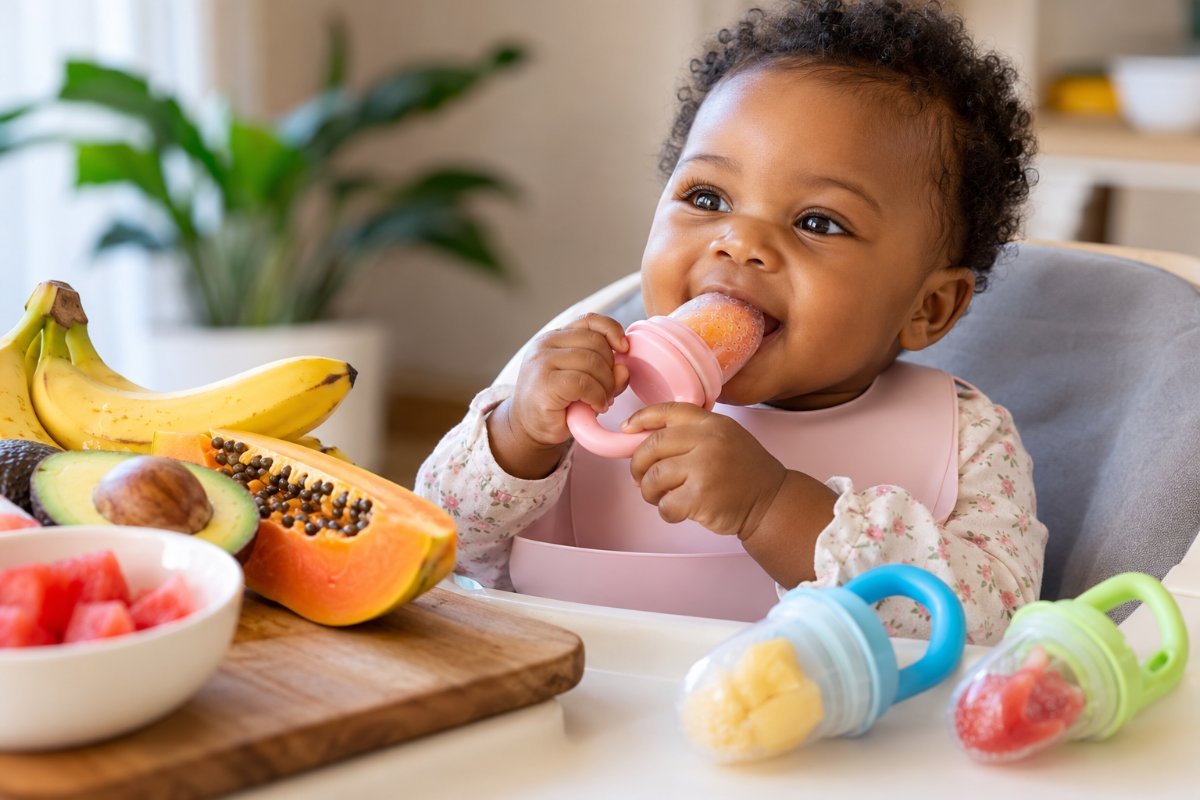
A fruit pacifier is a small handheld feeder with a soft silicone pouch on the end. The pouch has tiny holes. You put a piece of soft fruit or cooked vegetable inside, close the feeder, and hand it to your baby. As they suck and chew, juice and soft pulp come through the holes — but the larger pieces stay inside.
It looks a bit like a dummy with a handle, which is why many babies take to it quickly. Most models come with a few pouch sizes so you can move up as your baby grows, plus a cover to keep it clean in your bag.
Who Is It For?
The fruit pacifier works best for:
- Babies around 6 months and older who show signs of readiness for solids — sitting with support, good head control and real interest in food. Always follow your clinic's or paediatrician's advice on when to start.
- First-time parents who are anxious about lumps and want a gentler introduction to texture.
- Teething babies who want something cold and soothing to chew on.
- Busy mums and caregivers who need a quick, low-mess snack option when out and about.
What We Liked
1. It takes some of the fear out of first tastes
The biggest benefit is peace of mind. Because the pouch holds back larger pieces, your baby can explore ripe mango, banana or pawpaw without you hovering over every bite. It is not a replacement for supervision (more on that below), but it does make early tastes feel calmer.
2. Babies get to explore real Zimbabwean flavours
Zimbabwe is blessed with wonderful fresh produce — mango, pawpaw, banana, avocado, guava, watermelon and butternut. A fruit pacifier lets your baby taste these real foods early, which many parents find helps them accept a wider range of flavours later on. In our testing, ripe banana, chilled watermelon and soft steamed butternut were the clear favourites.
3. It doubles as a teething soother
Teething and starting solids often arrive at the same time, which can make for a very grumpy baby. Pop a small piece of frozen fruit into the pouch and you have a cooling soother for sore gums. Frozen banana or a piece of chilled cucumber worked well for us.
4. Less mess
Anyone who has spoon-fed puree knows it ends up everywhere — hair, clothes, the floor and sometimes the ceiling. With a fruit pacifier, most of the food stays inside the pouch. There is still some dribbling, so keep a bib on, but clean-up is far easier.
5. It encourages independence
The handle is shaped for small hands. Once your baby works out how to hold it, they feed themselves at their own pace — great practice for hand-to-mouth coordination.
6. It is affordable
At $3 on ShopZim, it is one of the cheapest feeding tools you can buy, and it is reusable for months.
What We Didn't Like
- Cleaning takes effort. Fruit fibres can get stuck in the small holes. If you don't rinse it straight after use, it gets harder to clean and can develop stains or smells.
- It is not a complete feeding method. Your baby only gets juice and soft pulp, not full mouthfuls of food. It should sit alongside spoon-feeding or baby-led weaning, not replace them.
- Babies can lose interest. Some babies love it; others get frustrated that they can't get "real" food out. Try a few different fruits before deciding.
- Silicone wears over time. Once your baby has teeth, they can bite through the pouch. Check it before every use and replace it if you see tears.
Safety Tips Every Parent Should Know
- Always supervise. Never leave your baby alone with a fruit pacifier, even for a minute.
- Check the pouch before each use. Throw it away if there are cracks, tears or bite marks.
- Use soft, ripe foods. Avoid hard foods, seeds and anything with stones or pips.
- No honey before 12 months, and avoid added sugar or salt.
- Don't use it as a dummy for sleep. Juice sitting on new teeth overnight is not good for them.
How to Clean It
Rinse the pouch under running water straight after use. Turn it inside out if your model allows, and use a small bottle brush to push out any trapped pulp. Wash with warm, soapy water, then sterilise the way you sterilise bottles — boiling for a few minutes or using sterilising tablets such as Milton. Let it air-dry fully before closing it up, especially in hot weather.
Best Fruits and Vegetables to Try
- Ripe banana — soft, sweet and easy for beginners
- Mango and pawpaw — very ripe and peeled
- Watermelon — seeds removed, great chilled
- Avocado — rich in healthy fats
- Steamed butternut, sweet potato or carrot — cooked until very soft
- Frozen fruit pieces — for teething relief
Fruit Pacifier vs Spoon-Feeding
A fruit pacifier is not "better" than a spoon — it does a different job. Spoon-feeding helps your baby learn to take in thicker textures and full mouthfuls. The fruit pacifier is a tasting and soothing tool. Most parents get the best results by using both: a spoon or soft finger foods at mealtimes, and the fruit pacifier for snacks, outings and teething days.
The Verdict
For $3, the fruit pacifier is a useful, low-risk tool for the early weeks of starting solids. It eases your nerves, lets your baby enjoy real local fruit, soothes sore gums and keeps mealtime mess down. It is not perfect — cleaning takes discipline and it won't replace proper meals — but as part of a wider feeding routine, we think it is well worth having.
Buy it if: your baby is starting solids, you want a gentle way to introduce real fruit, or you need a teething soother.
Skip it if: your baby is already confidently eating finger foods, or you know you won't have time to clean it properly after each use.
Where to Buy in Zimbabwe
You can order the Fruit Pacifier on ShopZim and confirm your order on WhatsApp, with home delivery available by suburb. Want more detail before you buy? Read our guide to choosing the best fruit pacifier and our step-by-step guide on how to use a fruit pacifier.
This article is for general information and is not medical advice. Speak to your clinic or paediatrician about when and how to start solids for your baby.
